
XERF vs. Morpheus8: Which Skin Tightening Treatment Is Right for You?
XERF and Morpheus8 both tighten skin with radiofrequency, but one uses needles and downtime and the other does not. A Scottsdale NP compares them honestly.

If your main concern is loosening skin along the jawline, under the chin or on the neck, and you want to avoid needles and downtime, XERF is usually the better fit. If your concern is a mix of laxity and surface texture, such as acne scarring, enlarged pores or crepey skin, Morpheus8 is a reasonable option because its microneedles treat the surface at the same time as they heat the deeper tissue. Both are radiofrequency treatments. The real differences are how the energy gets into the skin, how deep it reaches, how the appointment feels and what the days afterward look like.
At Anato Aesthetics in Scottsdale I offer XERF and not Morpheus8, so this article is written from that perspective. I have tried to be fair to both, because Morpheus8 is a well-established device and many patients have had good results with it. My goal here is to help you understand which one answers your specific concern.
How the two treatments deliver radiofrequency
Radiofrequency energy tightens skin by heating collagen. Controlled heat causes existing collagen fibers to contract, which is why some tightening is visible right away, and it triggers a wound-healing response that produces new collagen and elastin over the following months. Both devices rely on this mechanism. Where they part ways is the delivery method.
XERF: dual-frequency energy through the skin surface
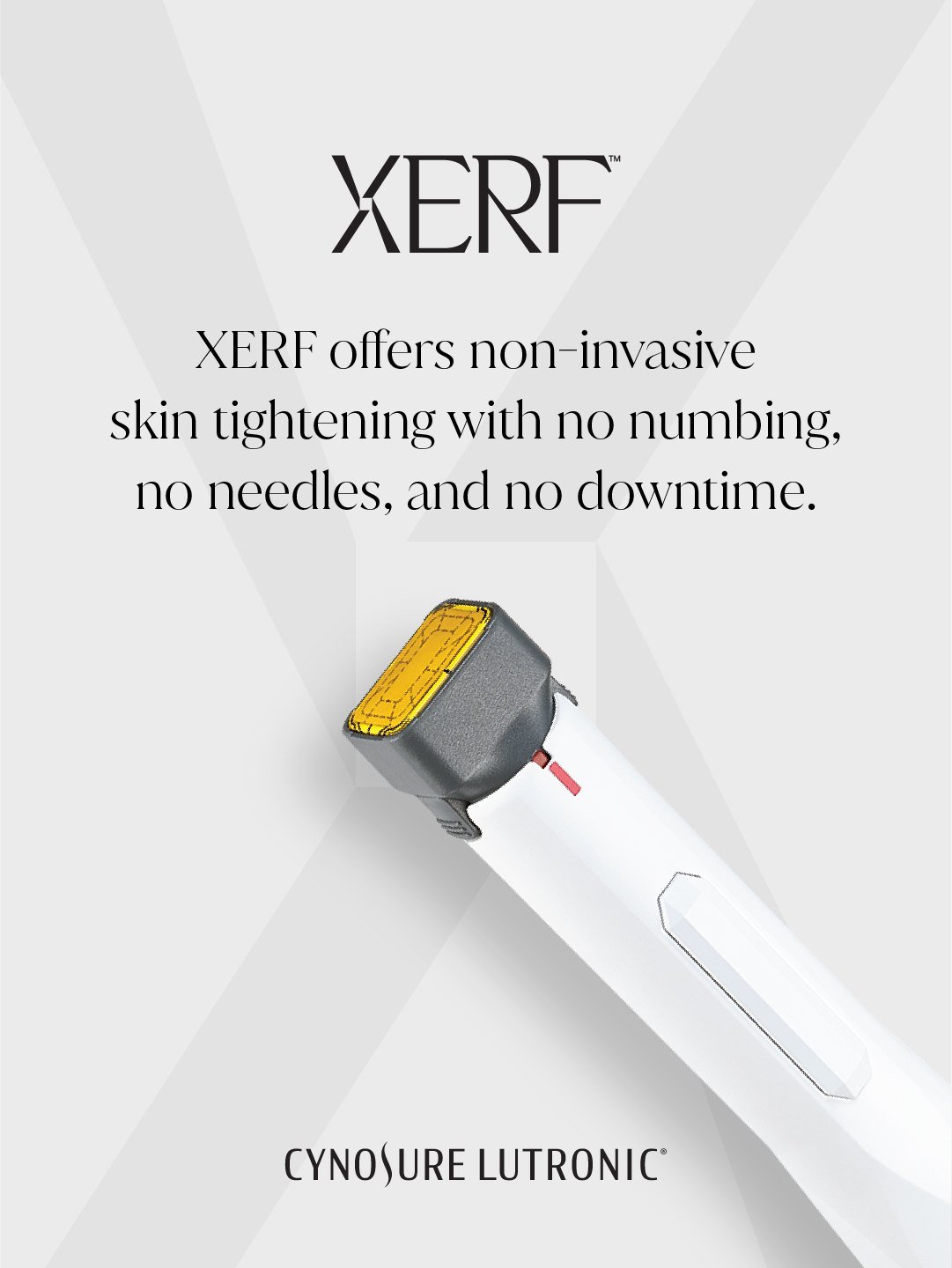
XERF is made by Cynosure Lutronic and received FDA clearance in 2025. It delivers two radiofrequency frequencies at the same time from a handpiece that glides over the skin with conductive gel. A 6.78 MHz frequency is absorbed in the dermis, the middle layer of skin, to firm the surface. A 2 MHz frequency travels deeper, toward the SMAS, the fibrous layer that a surgeon lifts during a facelift. Because the energy passes through intact skin, there are no needles, no numbing cream and no puncture wounds. The device monitors skin temperature continuously so the tissue is held in a therapeutic range without overheating the surface.
Morpheus8: radiofrequency delivered through microneedles
Morpheus8 is a radiofrequency microneedling device. A cartridge of fine, insulated needles is pressed into the skin to a set depth, typically between about 0.5 and 4 millimeters depending on the tip and setting, and radiofrequency energy is released from the needle tips into the tissue. The needles bypass the surface so the heat can be placed precisely in the deeper dermis and upper fat layer. Because the needles also create thousands of tiny channels in the skin, the treatment doubles as a resurfacing procedure, which is why it has a reputation for improving texture and scarring as well as firmness.
XERF vs. Morpheus8 at a glance
| XERF | Morpheus8 | |
|---|---|---|
| Energy type | Dual-frequency radiofrequency (6.78 MHz and 2 MHz) | Monopolar or bipolar radiofrequency via microneedles |
| Needles | None | Yes, insulated microneedles |
| Depth | Dermis and toward the SMAS layer | Adjustable needle depth, roughly 0.5 to 4 mm |
| Numbing | Not required | Topical numbing, usually 30 to 45 minutes |
| Sensation | Deep, spreading warmth | Pressure and heat at each pass; can be uncomfortable |
| Downtime | Essentially none; mild pinkness for an hour or two | Typically 2 to 5 days of redness, swelling and pinpoint marks |
| Best for | Skin laxity, jowls, neck, jawline definition | Laxity plus texture, acne scars, pores |
| Sessions | Often 1 to 3, about a month apart | Usually 3, about 4 to 6 weeks apart |
| Skin tones | Safe for all skin tones | Generally safe for all skin tones with appropriate settings |
| Makeup after | Same day | Usually after 24 to 48 hours |
What each treatment does well
Where XERF has the advantage
The strongest argument for XERF is that it reaches the structural layer without breaking the skin. That matters for three groups of patients. The first is anyone whose concern is purely laxity rather than texture; adding needles to a treatment that does not need them adds discomfort and recovery without adding benefit. The second is patients who cannot afford visible downtime, which in Scottsdale often means people who work in front of clients or who have an event within the week. The third is patients who are needle-averse or who bruise easily.
XERF also treats a full face in about 30 minutes and a face and neck in roughly 45 to 60, with no numbing time added to the front of the appointment. You can exercise and wear makeup the same day, and because the surface is not broken there is no open-wound period to protect from the Arizona sun.
Where Morpheus8 has the advantage
Morpheus8 does something XERF does not: it resurfaces. The microneedle channels stimulate the epidermis and upper dermis in a way that improves acne scarring, enlarged pores, rough texture and fine crepey lines. If those are your primary concerns, a needle-based treatment is the right category, and Morpheus8 is one of the better-known options in it. The adjustable depth also lets a skilled provider treat thicker tissue on the lower face or body more aggressively.
The trade-off is recovery. Expect redness and swelling for several days, small grid marks that fade over about a week, and a numbing step before every session. Most patients need a series of three treatments to see the full result.
Results and timeline
Both treatments follow the same biological clock. There may be some immediate tightening from collagen contraction, but the meaningful change develops over two to three months as new collagen forms, and it can continue to improve for up to six months. Results from either device typically last a year or more, after which an annual maintenance session helps preserve them.
Neither treatment replaces a surgical facelift. Both are appropriate for mild to moderate laxity. Patients with significant skin excess or heavy jowls should have a frank conversation about what non-surgical energy can and cannot do before investing in a series of anything.
Who is the right candidate for XERF?
You are likely a good candidate for XERF if:
- Your concern is early jowling, a softening jawline, loose skin under the chin or on the neck, or a general loss of firmness.
- Your skin texture is reasonably good, or you plan to address texture separately with SkinPen microneedling or a VI Peel.
- You want no downtime and prefer to avoid needles and numbing.
- You have mild to moderate laxity rather than significant skin excess.
- You are not pregnant and do not have a pacemaker or metal implant in the treatment area.
Who is the right candidate for Morpheus8?
You may be better served by a radiofrequency microneedling treatment such as Morpheus8 if:
- You want to improve acne scarring, large pores or rough texture at the same time as tightening.
- You can plan for several days of visible recovery after each of three sessions.
- You tolerate topical numbing and a more intense treatment sensation.
- You have thicker skin on the lower face or body where deeper needle placement may be helpful.
If this describes you, I would rather tell you so than fit you into a treatment I happen to offer.
Can XERF be combined with other treatments?
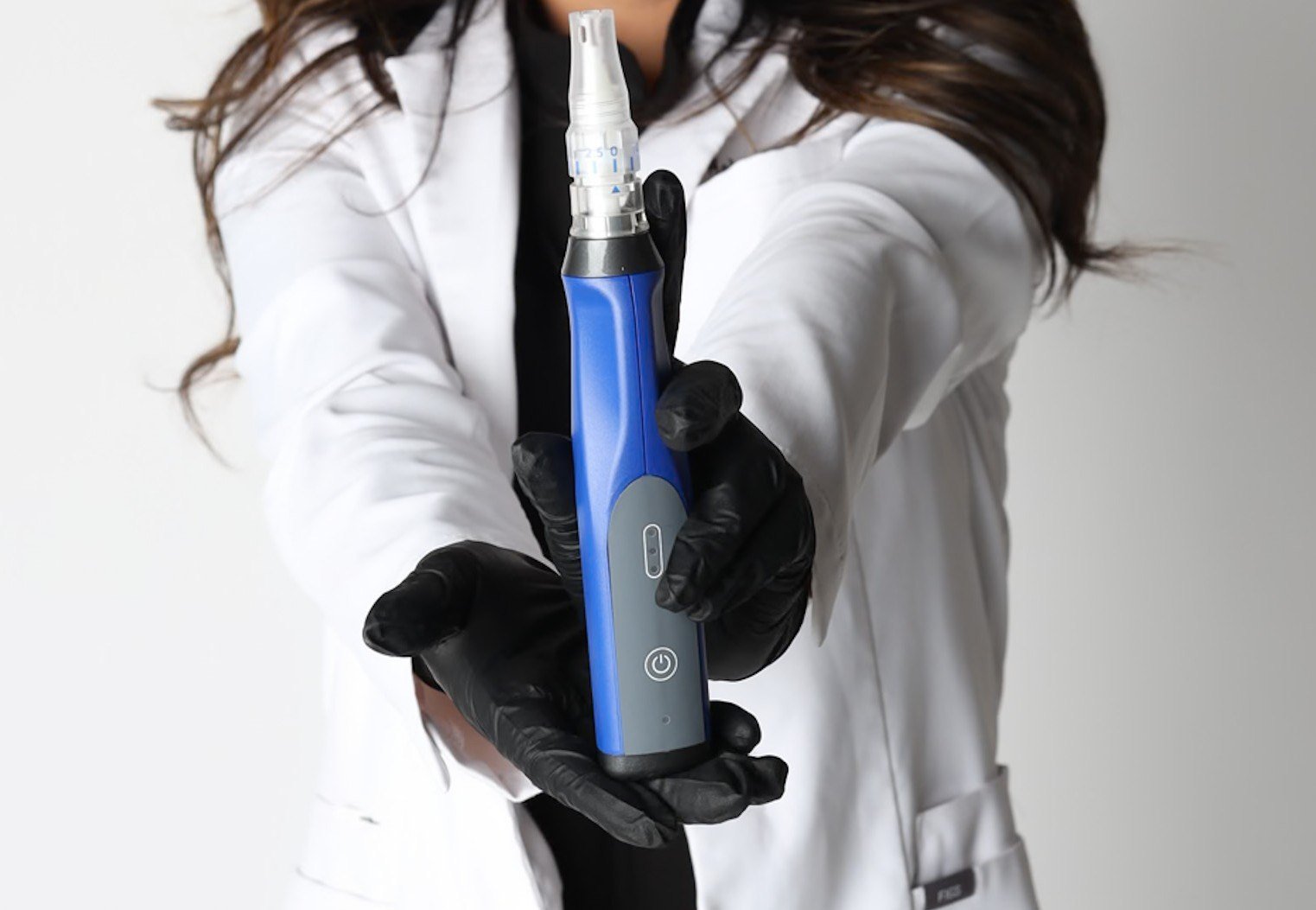
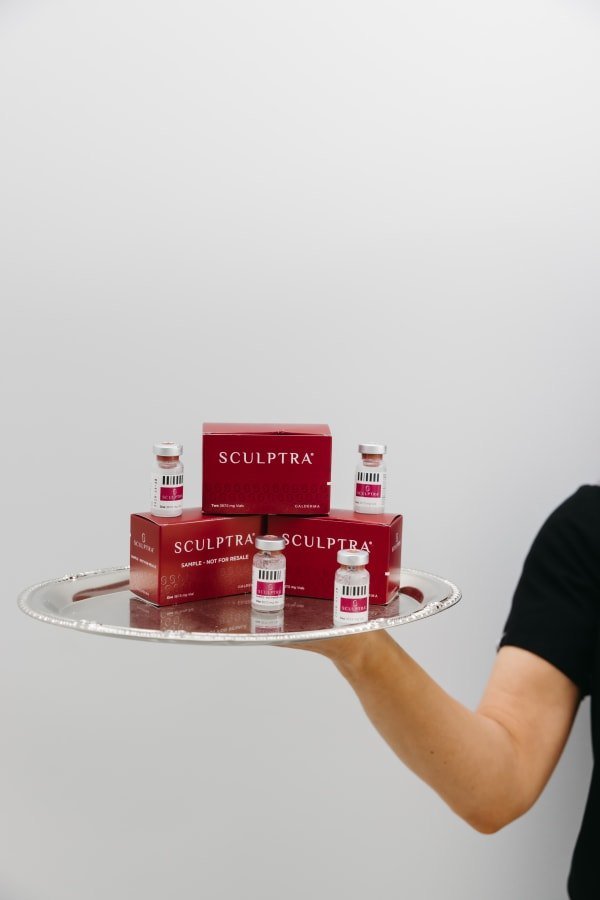
Yes, and this is often where the best results come from. XERF tightens; it does not add volume or resurface. Patients with both laxity and volume loss frequently pair XERF with Sculptra or dermal filler, usually with XERF first so the injectables are placed on a firmer foundation. Patients who want texture improvement can add a series of SkinPen microneedling, which addresses the surface without radiofrequency and with a shorter recovery than RF microneedling.
Frequently asked questions
Is XERF the same as Morpheus8?
No. Both use radiofrequency to heat collagen, but Morpheus8 delivers the energy through microneedles inserted into the skin, while XERF delivers two frequencies through the intact skin surface without needles. That difference drives everything else: numbing, comfort, downtime and what each treats best.
Which one hurts less?
XERF. The handpiece moves continuously and the sensation is a deep warmth, so no numbing is needed. Morpheus8 requires topical numbing and most patients still describe it as uncomfortable, particularly on the neck and jawline.
Which lasts longer?
The published expectations are similar for both: results develop over two to six months and typically last a year or more, with annual maintenance recommended. Longevity depends more on your age, skin quality, sun habits and how much laxity you started with than on the device.
Is either treatment safe for darker skin tones?
Radiofrequency does not target pigment, so both are generally considered safe for all skin tones. Because XERF does not break the skin, it also avoids the small risk of post-inflammatory hyperpigmentation that any needle-based treatment carries in melanin-rich skin.
How do I decide?
Book a consultation with me. I assess laxity, texture and volume separately and will tell you which category of treatment answers your concern, including when the honest answer is a treatment I do not offer.