
XERF vs. Thermage FLX: How Two Radiofrequency Treatments Compare
XERF and Thermage FLX both tighten skin with radiofrequency and no needles. A nurse practitioner explains how depth, comfort, sessions and results differ.
XERF and Thermage FLX are the two treatments most worth comparing if you want firmer skin without needles or downtime. Both deliver radiofrequency energy through the intact skin surface, both are designed to tighten existing collagen and stimulate new collagen, and both are suited to mild to moderate laxity. The main differences are how deep the energy reaches, how the treatment feels, how many sessions are planned, and how much long-term data each device has behind it.
I offer XERF at Anato Aesthetics and not Thermage, so I am writing from that side of the comparison. Thermage has been used for skin tightening for more than two decades and has a long record of good results. I will try to be fair to both.
The short answer
If your concern is laxity along the jawline, under the chin, on the neck or in the lower face, and you want energy delivered at more than one depth in a single pass, XERF is a strong fit. If you prefer a device with a longer published track record, or you want the eyelid area treated specifically, Thermage FLX is a reasonable choice. Neither replaces a surgical lift, and neither adds volume.
What the two devices have in common
Both are monopolar radiofrequency devices. Radiofrequency heats the tissue it passes through, and controlled heating does two useful things. Existing collagen fibers contract, which is why some tightening can be felt right away, and the tissue responds to the heat by producing new collagen and elastin over the following months. That second process is where most of the result comes from, and it follows the same biological timeline whichever device delivered the heat.
Both treatments also protect the skin surface during treatment with cryogen cooling, both use a handpiece that is moved across the skin in passes, and neither involves needles, incisions or a recovery period.
Where they differ
Frequency and depth
Thermage FLX, made by Solta Medical, delivers a single radiofrequency frequency of 6.78 MHz. That frequency is absorbed mainly in the dermis, the middle layer of the skin, with heat spreading down into the fibrous septae beneath it.
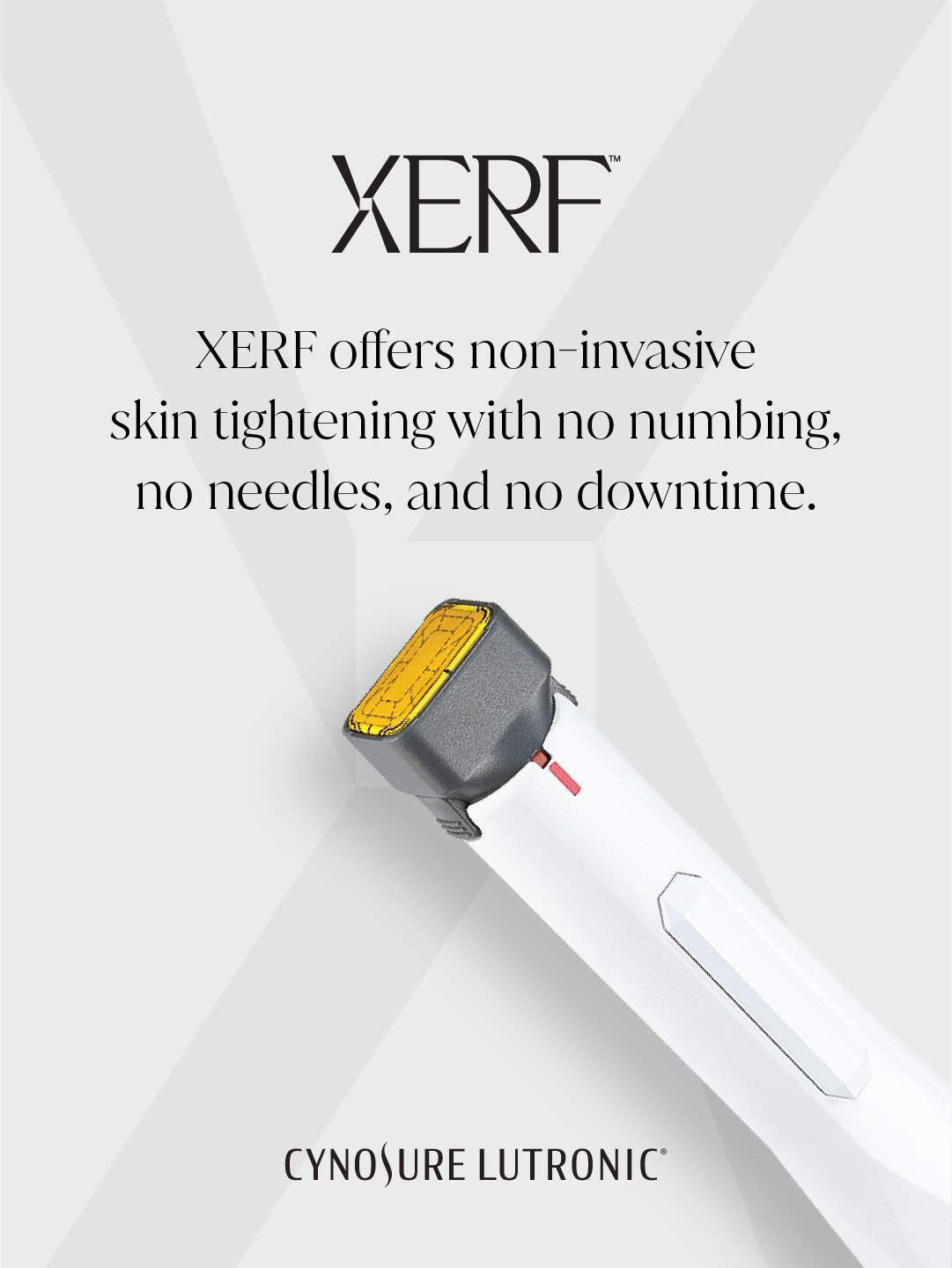
XERF, made by Cynosure Lutronic and FDA-cleared in August 2025, delivers the same 6.78 MHz frequency and adds a second, lower frequency of 2 MHz at the same time. Lower frequencies travel deeper, so the 2 MHz energy reaches toward the SMAS, the fibrous structural layer beneath the skin that supports the face. The idea is to treat the surface and the foundation in one pass rather than relying on heat to spread from one depth to the other. I go into more detail on how XERF works on the treatment page.
How the treatment feels
Thermage delivers energy in individual pulses. Each pulse produces a brief, deep heat sensation, and the FLX system pairs cooling with vibration to make that more comfortable. Some providers apply topical numbing first.
XERF uses a gliding handpiece that moves continuously, with a pulse pattern designed to balance energy and cooling. Most patients describe a deep, building warmth rather than sharp heat, and I do not use numbing for it. Comfort is personal and depends on the area, but in my experience XERF is easy to sit through.
Sessions
Thermage FLX is usually planned as a single treatment, repeated about once a year for maintenance.
XERF is planned as one or two sessions spaced four to six weeks apart, followed by annual maintenance. Many patients see a meaningful change after one session. Those with more laxity, or who want a stronger result, benefit from a second. I recommend the number at your consultation once I have assessed your skin.
Track record
This is Thermage’s clearest advantage. It has been in use since the early 2000s, and there is a large body of published experience with it. XERF is new in the United States. The radiofrequency principles it relies on are well established, and early results have been encouraging, but there is less long-term published data on XERF specifically. If that matters to you, it is a fair reason to weigh Thermage.
XERF vs. Thermage FLX at a glance
| XERF | Thermage FLX | |
|---|---|---|
| Manufacturer | Cynosure Lutronic | Solta Medical |
| Energy | Monopolar radiofrequency at two frequencies (6.78 MHz and 2 MHz) | Monopolar radiofrequency at one frequency (6.78 MHz) |
| Target depth | Dermis and toward the SMAS layer | Dermis and the fibrous layer just beneath it |
| Needles | None | None |
| Numbing | Not required | Sometimes used |
| Sensation | Continuous deep warmth | Brief pulses of deep heat |
| Downtime | Essentially none; mild pinkness for an hour or two | Essentially none; mild redness for a few hours |
| Typical plan | 1 to 2 sessions, 4 to 6 weeks apart | Usually 1 session |
| Results | Develop over 2 to 3 months, improving to 6 | Develop over 2 to 6 months |
| Maintenance | Annual | Annual |
| On the market | FDA-cleared 2025 | Since the early 2000s |
Results and how long they last
The timeline is similar for both. You may notice some tightening the same day from collagen contraction. The meaningful change develops over two to three months as new collagen forms, and it can continue to improve for up to six months. Results typically last a year or more, after which an annual maintenance session helps preserve them. If you want the week-by-week version, I have written a separate guide to the XERF results timeline.
How long results last depends more on you than on the device: your age, skin quality, sun habits, smoking and how much laxity you started with all matter.
Who is a good candidate for either
You are likely a good candidate for a non-invasive radiofrequency treatment if:
- Your concern is early jowling, a softening jawline, loose skin under the chin or on the neck, or a general loss of firmness.
- You have mild to moderate laxity rather than significant excess skin.
- You want a gradual, natural-looking change without needles or recovery.
- You are not pregnant and do not have a pacemaker or metal implant in the treatment area.
If your laxity is advanced, I would rather tell you that a surgical consultation is the right next step than sell you a series of treatments that cannot deliver what you are hoping for.
Where volume fits in
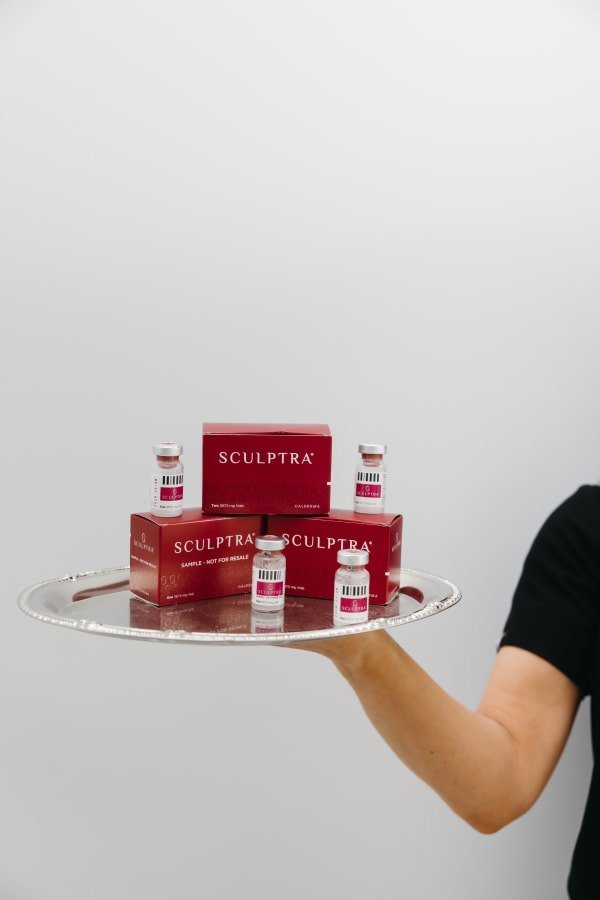
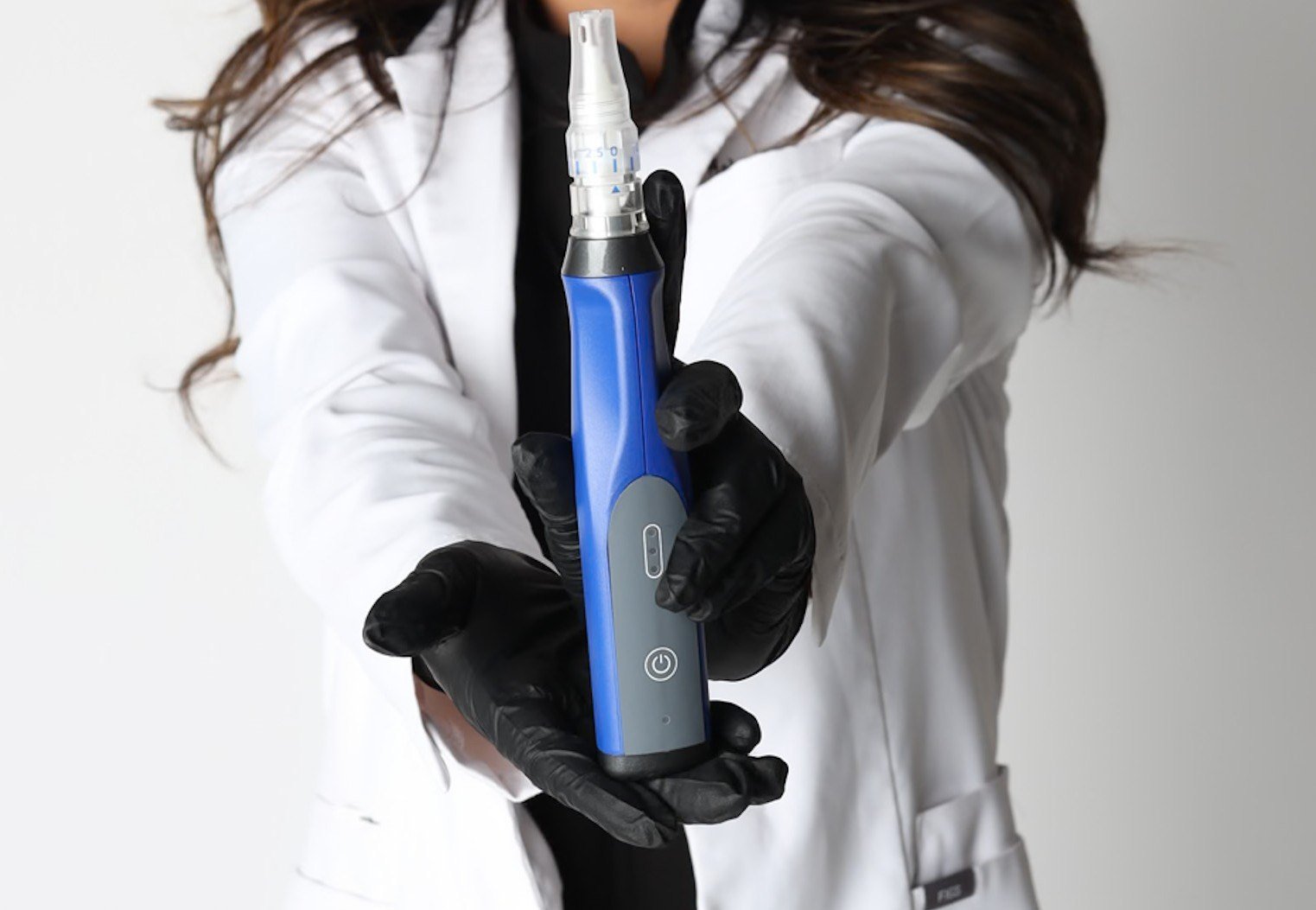
Both devices tighten; neither adds volume. Many patients who notice a softer jawline are seeing a mix of laxity and volume loss, and the most natural results usually come from treating both. That is why I often pair XERF with Sculptra, which rebuilds collagen and elastin for gradual structural support. If texture is also a concern, SkinPen microneedling addresses the surface. I cover the full picture for the lower face in XERF for the neck and jawline.
Frequently asked questions
Is XERF the same as Thermage?
No, although they are close relatives. Both are monopolar radiofrequency treatments delivered through the skin without needles. XERF adds a second, lower frequency to reach deeper tissue at the same time as the dermis, and it uses a continuously gliding handpiece rather than individual pulses.
Which is more comfortable?
Most patients find XERF comfortable without numbing, describing a deep warmth. Thermage FLX is also well tolerated, especially with its built-in cooling and vibration, but the pulsed heat can feel more intense, particularly over thin skin and bone.
Can I have XERF if I have had Thermage before?
Yes. A previous Thermage treatment does not rule out XERF. I will ask when your last treatment was and assess how your skin responded.
Which one should I choose?
It depends on your anatomy, your goals and how much weight you place on track record versus depth of treatment. Book a consultation and I will assess your laxity, volume and skin quality, explain which approach fits, and tell you honestly if a different treatment would serve you better.