
XERF vs. Ultherapy: Radiofrequency or Ultrasound for Skin Tightening?
XERF uses radiofrequency and Ultherapy uses focused ultrasound. A nurse practitioner compares how each lifts, how they feel, downtime and who suits which.
XERF and Ultherapy are both non-invasive treatments for loose skin on the face and neck, and both aim to reach the SMAS, the structural layer a surgeon tightens during a facelift. They get there in different ways. XERF uses radiofrequency, which heats tissue broadly across two depths at once. Ultherapy uses focused ultrasound, which places small, precise points of heat at set depths. That difference shapes how each treatment feels and which patients each one suits.
I offer XERF at Anato Aesthetics and not Ultherapy. Ultherapy has been used for well over a decade and many patients have done well with it, so I will lay out both honestly.
The short answer
If you want overall firming of the skin and the deeper layer with a comfortable treatment and no numbing, XERF is a good fit. If you want very targeted lifting in specific lines, such as the brow, and you are comfortable with a more intense sensation, Ultherapy is a reasonable choice. Both are suited to mild to moderate laxity, and neither adds volume.
How each one works
XERF: radiofrequency at two depths
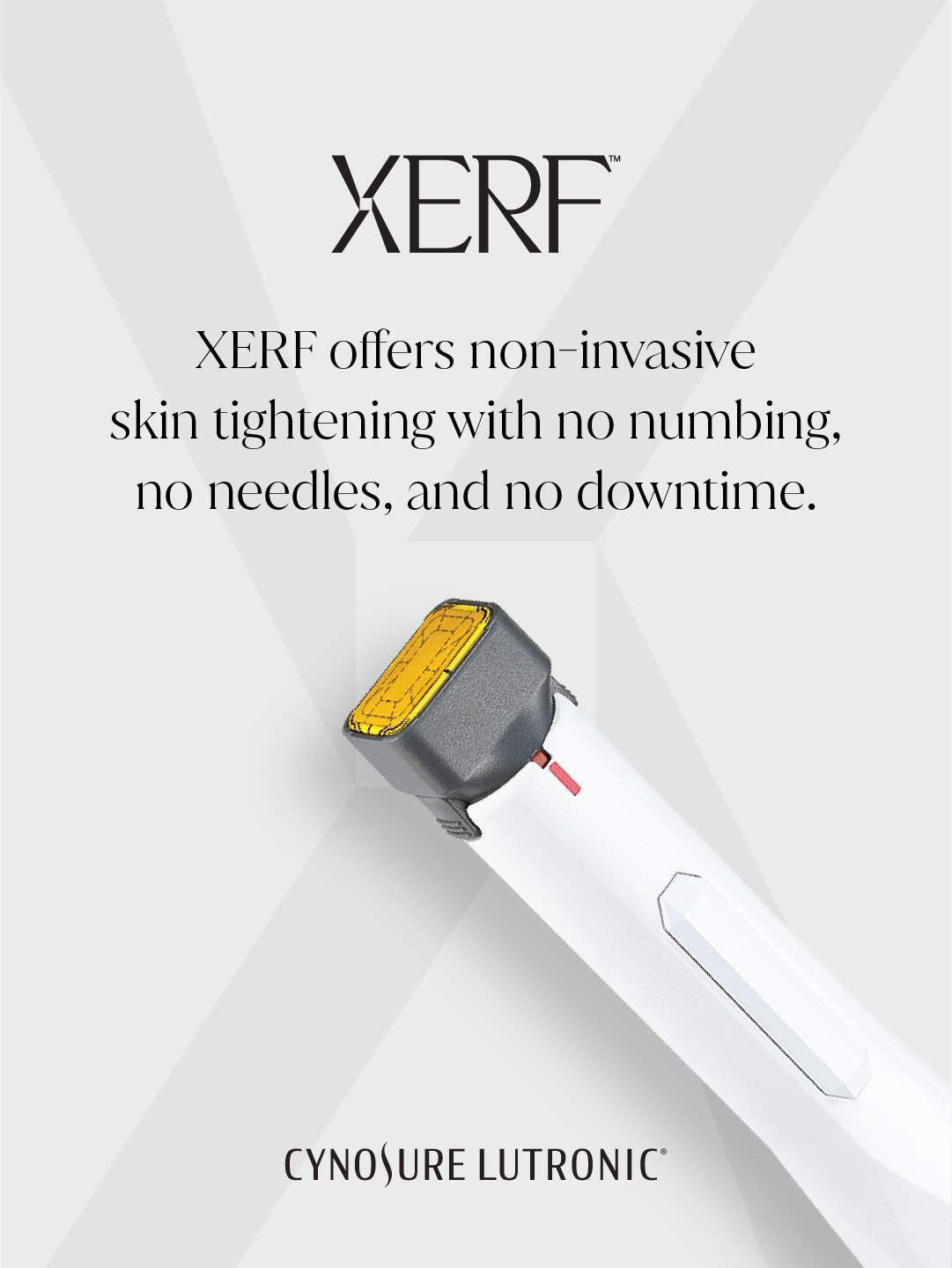
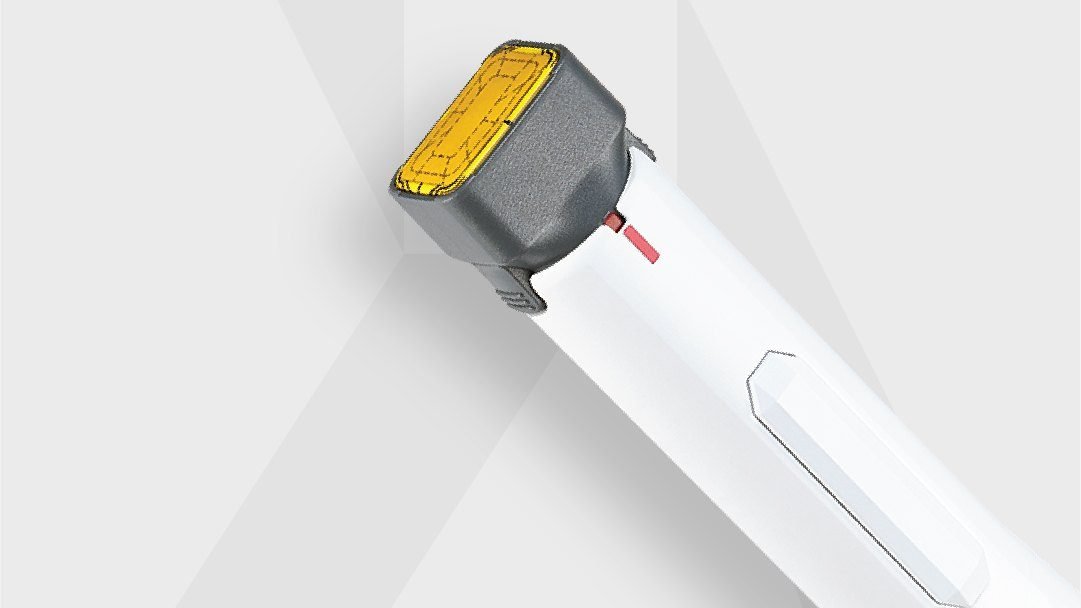
XERF, from Cynosure Lutronic, was FDA-cleared in August 2025. It delivers two radiofrequency frequencies through a gliding handpiece. A 6.78 MHz frequency heats the dermis to firm the skin surface, and a 2 MHz frequency travels deeper, toward the SMAS. Radiofrequency heats the tissue it passes through as a volume rather than at a single point, so the effect is a broad, even warming across the treated area. The device monitors skin temperature as it works and cools the surface throughout.
That heat contracts existing collagen and prompts the skin to build new collagen and elastin over the following months. You can read more about how XERF works on the treatment page.
Ultherapy: focused ultrasound at set depths
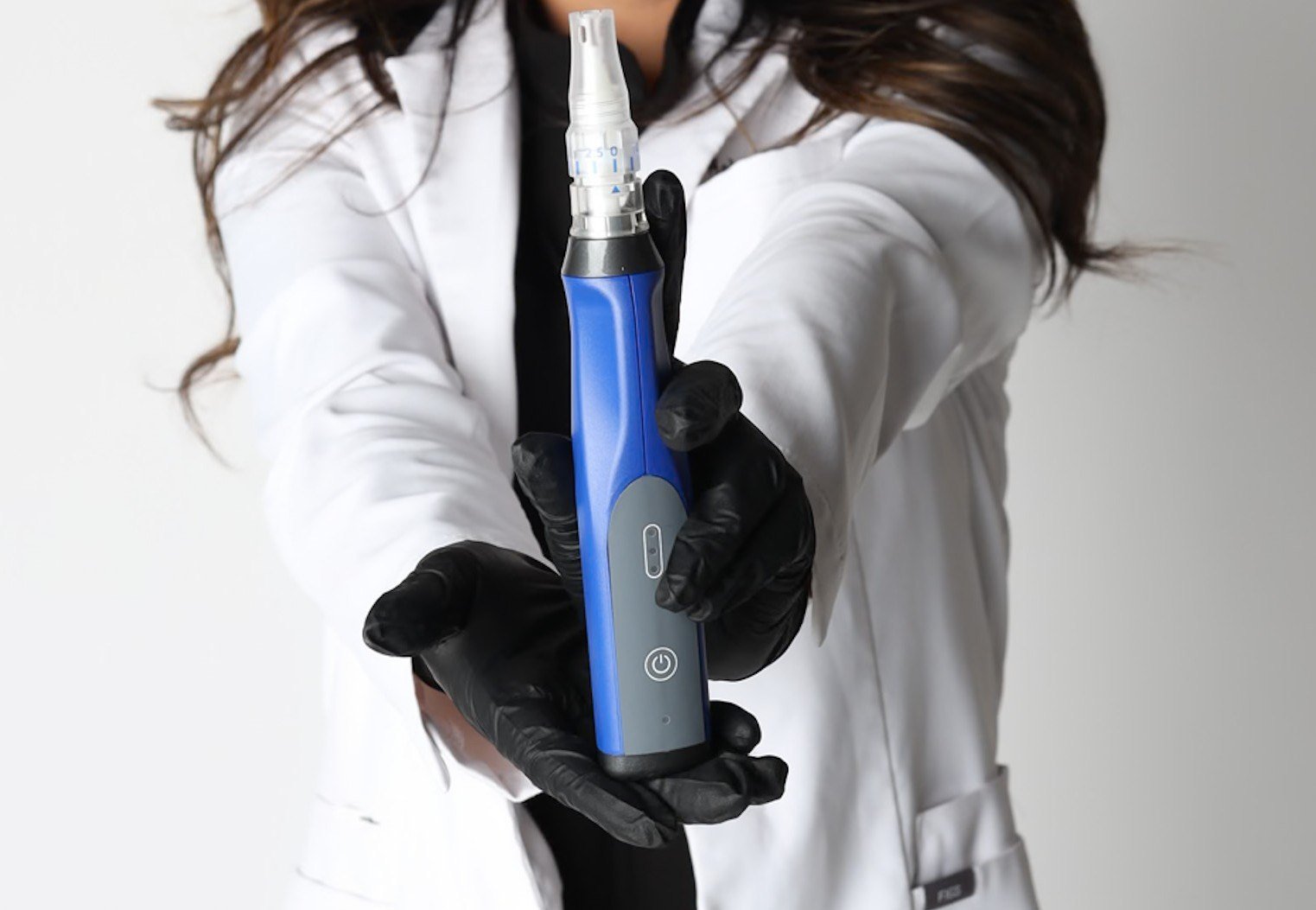
Ultherapy, made by Merz Aesthetics, uses micro-focused ultrasound with visualization. The provider places a transducer on the skin, views an ultrasound image of the tissue underneath, and then delivers lines of tightly focused energy. Each pulse creates a tiny point of heat at a fixed depth, commonly 1.5, 3.0 or 4.5 millimeters, depending on the transducer, with the deepest reaching the SMAS. The skin surface in between is left largely unaffected.
The precision is Ultherapy’s defining feature. It lets the provider place energy in specific lines, which is useful for something like a subtle brow lift.
How the treatments feel
This is where patients notice the biggest difference.
Ultherapy is known for being uncomfortable. Focused ultrasound concentrates heat into small points, and many patients feel a sharp, deep heat or ache with each pulse, especially over bone along the jawline and brow. Providers commonly recommend pain relief or other comfort measures before treatment.
XERF spreads its energy more broadly and keeps the handpiece moving, so most patients describe a building warmth rather than sharp points of heat. I do not use numbing for XERF, and patients sit through it comfortably.
Downtime and side effects
Both treatments are designed to have little or no downtime.
After XERF, you may have mild pinkness or warmth for an hour or two. Most patients go straight back to their day.
After Ultherapy, redness usually fades within hours, but some patients have swelling, tenderness or tingling for several days, and occasionally bruising or temporary numbness along the treated lines.
XERF vs. Ultherapy at a glance
| XERF | Ultherapy | |
|---|---|---|
| Manufacturer | Cynosure Lutronic | Merz Aesthetics |
| Energy | Radiofrequency at two frequencies (6.78 MHz and 2 MHz) | Micro-focused ultrasound |
| How heat is placed | Broadly, across the dermis and toward the SMAS | In precise points at fixed depths, up to 4.5 mm |
| Imaging | Real-time skin temperature and impedance monitoring | Real-time ultrasound image of the tissue |
| Sensation | Continuous deep warmth | Sharp heat or ache with each pulse |
| Numbing | Not required | Pain relief commonly recommended |
| Downtime | Mild pinkness for an hour or two | Redness for hours; possible tenderness or swelling for days |
| Typical plan | 1 to 2 sessions, 4 to 6 weeks apart | Usually 1 session |
| Results | Develop over 2 to 3 months, improving to 6 | Develop over 2 to 3 months, improving to 6 |
| Maintenance | Annual | Often every 1 to 2 years |
| Track record | FDA-cleared 2025 | In use since 2009 |
Results and longevity
Both treatments work through your own collagen, so both follow the same slow timeline. There may be a little tightening early on, the real change builds over two to three months, and it can continue to improve for up to six months. Results typically last a year or more. For a detailed walk through what happens after XERF, see the XERF results timeline.
Ultherapy has more years of published follow-up than XERF, which is new to the United States. That is a fair point in Ultherapy’s favor. XERF’s advantage is that it treats the skin surface and the deeper layer in the same pass while staying comfortable.
Which suits which patient
XERF tends to suit you if:
- Your concern is general laxity and firmness across the lower face, jawline, under the chin or neck.
- You also want the skin itself to feel firmer and look smoother, not only the deeper layer lifted.
- You prefer a comfortable treatment with no numbing and no recovery.
- You want to treat body areas such as the abdomen, upper arms or above the knees.
Ultherapy tends to suit you if:
- You want precise, targeted lifting in a specific line, such as the brow.
- You value a longer published track record.
- You are comfortable with a more intense sensation and a few days of possible tenderness.
Neither treatment is right for significant excess skin. If your laxity is advanced, a surgical consultation is the honest recommendation, and I will tell you so.
Combining tightening with volume
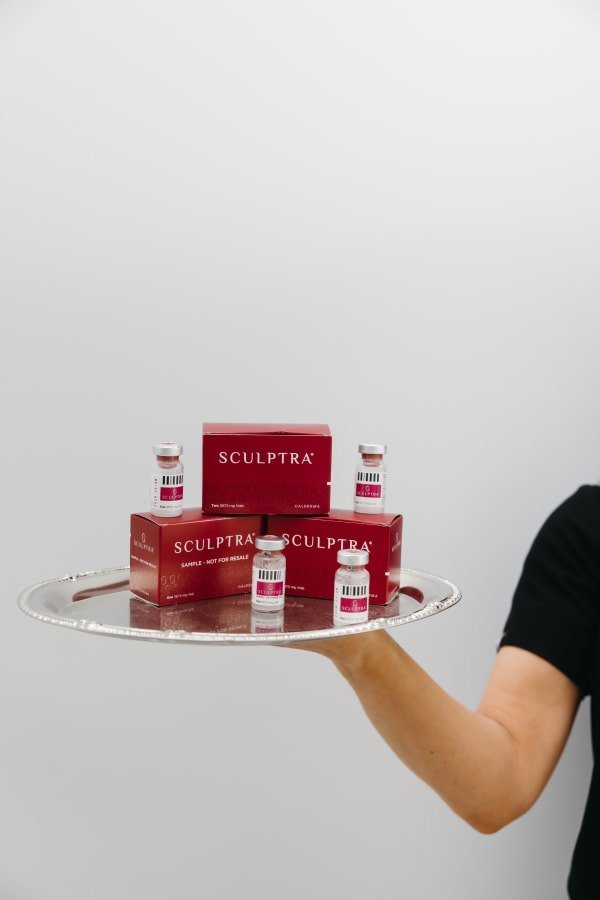
Skin tightening and volume restoration solve different problems. A softening jawline is often part laxity and part volume loss, and the most natural results usually come from addressing both. I frequently pair XERF with Sculptra, usually with XERF first so the collagen and elastin building treatment works on a firmer foundation. If you are focused on the lower face, I go into this in more depth in XERF for the neck and jawline.
Frequently asked questions
Is XERF better than Ultherapy?
Neither is better for everyone. XERF is more comfortable and treats two depths broadly at once; Ultherapy is more targeted and has a longer track record. The right choice depends on your anatomy, your concern and your tolerance for discomfort.
Does XERF reach the same depth as Ultherapy?
Both are designed to reach toward the SMAS. Ultherapy places energy at fixed depths, with its deepest setting at about 4.5 millimeters. XERF’s lower frequency heats tissue toward that same layer, but as a broader volume rather than precise points.
Can I do XERF after Ultherapy?
Yes. A previous Ultherapy treatment does not prevent you from having XERF. I will ask when it was done and how your skin responded, and plan from there.
How do I know which one I need?
Book a consultation. I will assess your laxity, volume and skin quality, tell you which category of treatment answers your concern, and say so plainly when the honest answer is a treatment I do not offer.